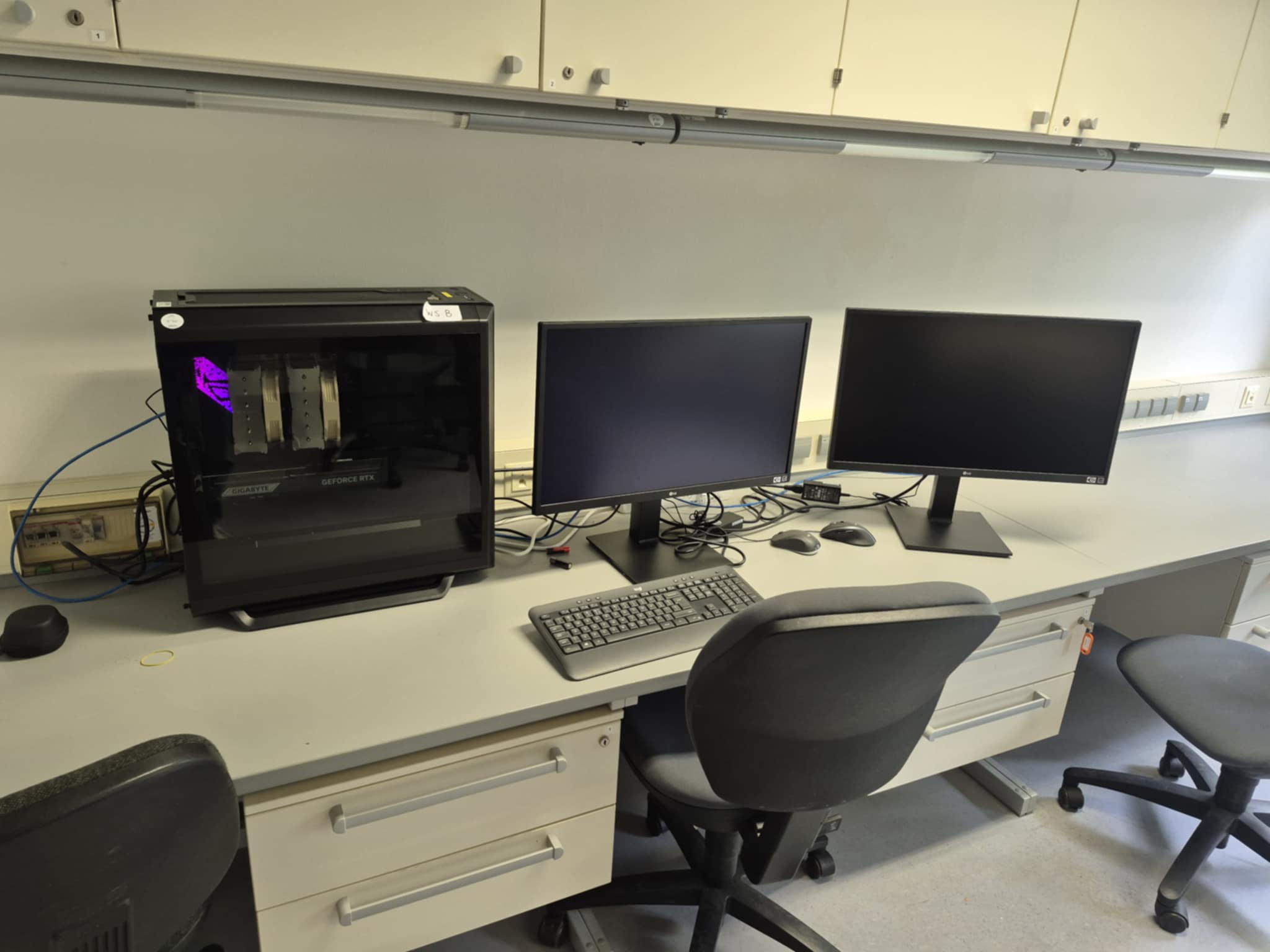
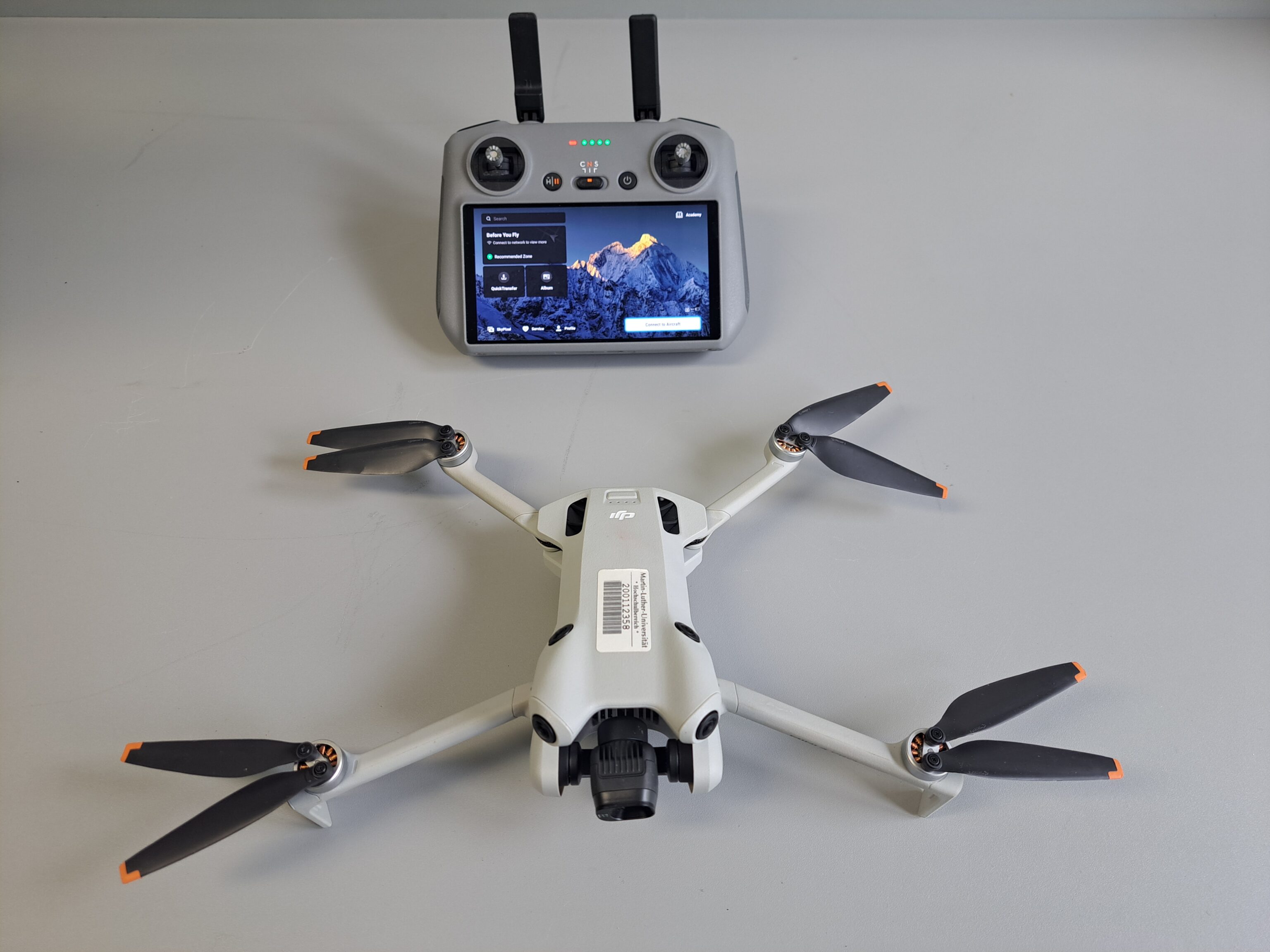
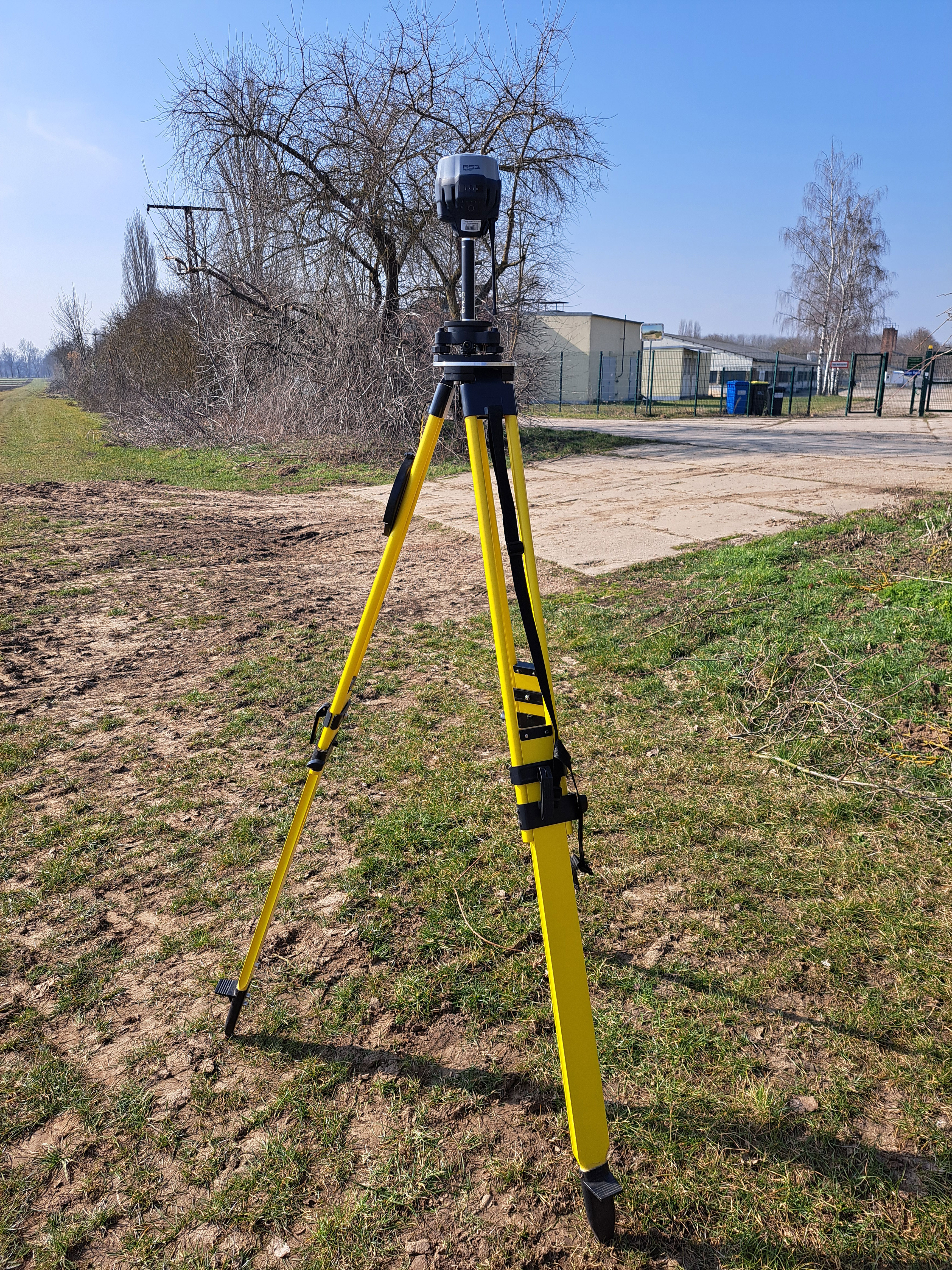
The rapid technological advances of recent years in the fields of drones, remote sensing, and computing power have necessitated the creation of spaces where classical field geology can be integrated with new digital tools. In this context, the Digital Modeling Laboratory aims to combine traditional geological approaches with innovative technologies by developing new analytical methods and expanding the scope and precision of geological research. Furthermore, the increasing detail and repeatability of drone-based 3D models enable the analysis of the evolution of modern sedimentary systems, which are crucial for understanding and mitigating the effects of climate change. To achieve these goals, the laboratory is equipped with state-of-the-art technology, including workstations with specialized software for creating and interpreting 3D models, drones for photogrammetric and LiDAR analyses, digital cameras, and high-precision topographic instruments. The laboratory team has extensive experience in geology and digital technologies and is open to collaboration with researchers and students, offering theses support and encouraging interdisciplinary work.