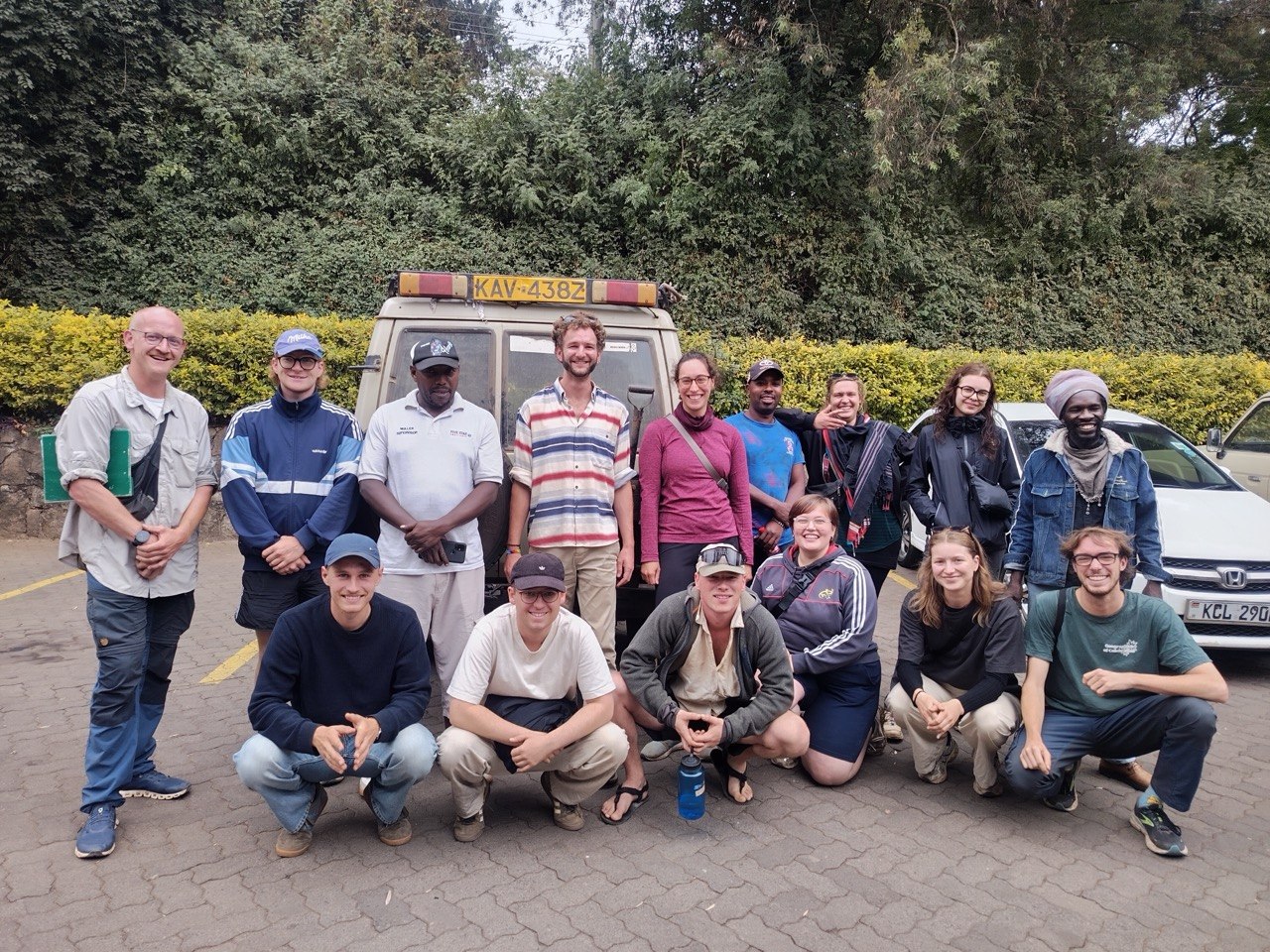
Together with a total of nine students, Dr Mike Teucher and Mona Pawelke travelled to Kenya from 2 to 16 September 2026 as part of the ‘Field Course’ module. During the trip, the students gained hands-on experience of various topics such as urban and landscape development, agriculture, nature conservation and environmental protection, as well as tourism. The course began with a focus on various aspects of urban development and structure, using the metropolis of Nairobi as a case study. A guided tour of the UN compound, the headquarters of the UNEP (United Nations Environment Programme) and UN-Habitat, offered the students the opportunity to gain a detailed insight into the work of this intergovernmental organisation. To illustrate the diverse facets of the city, the group also visited Mathare Valley School in the slum of the same name.
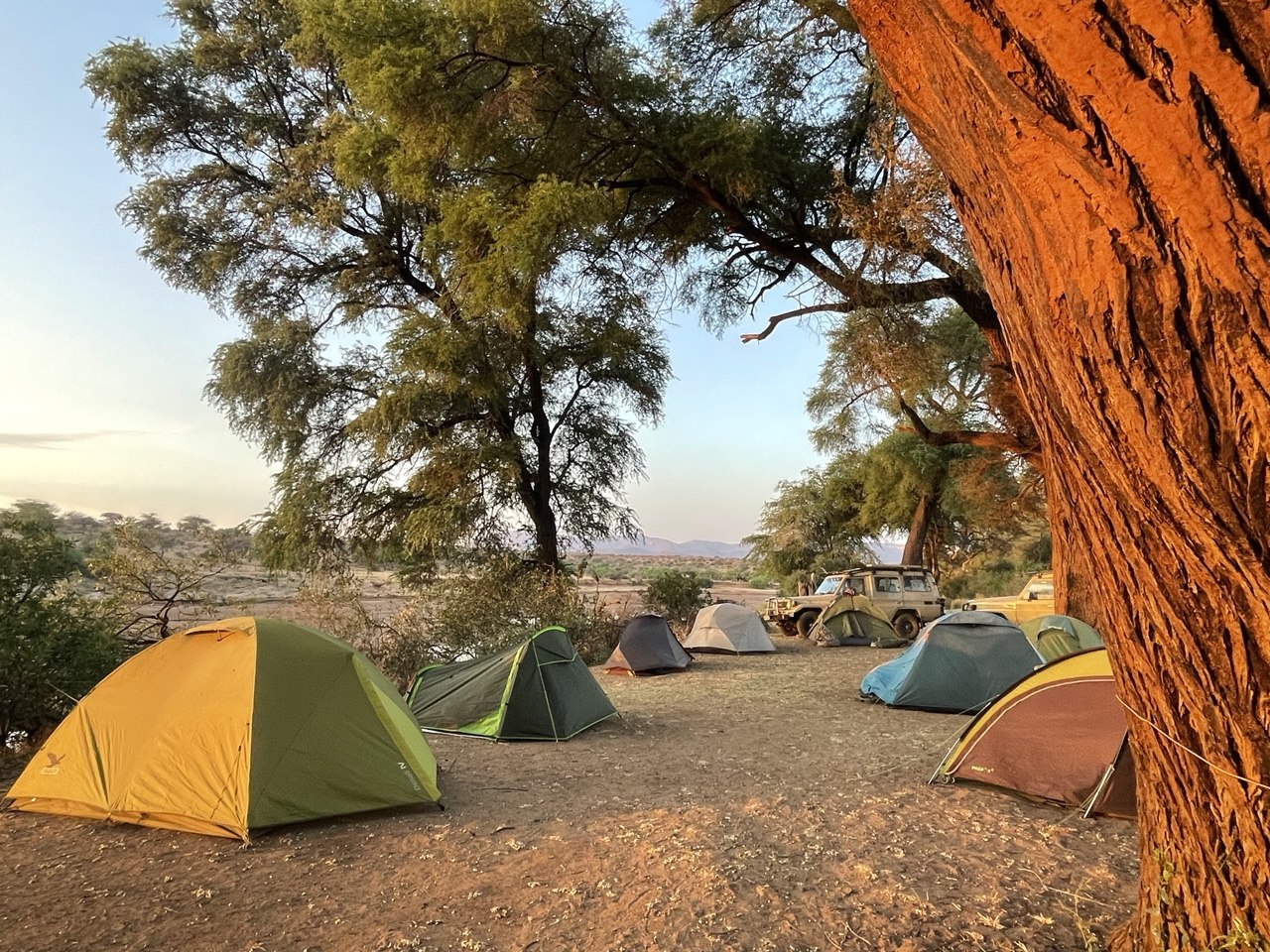
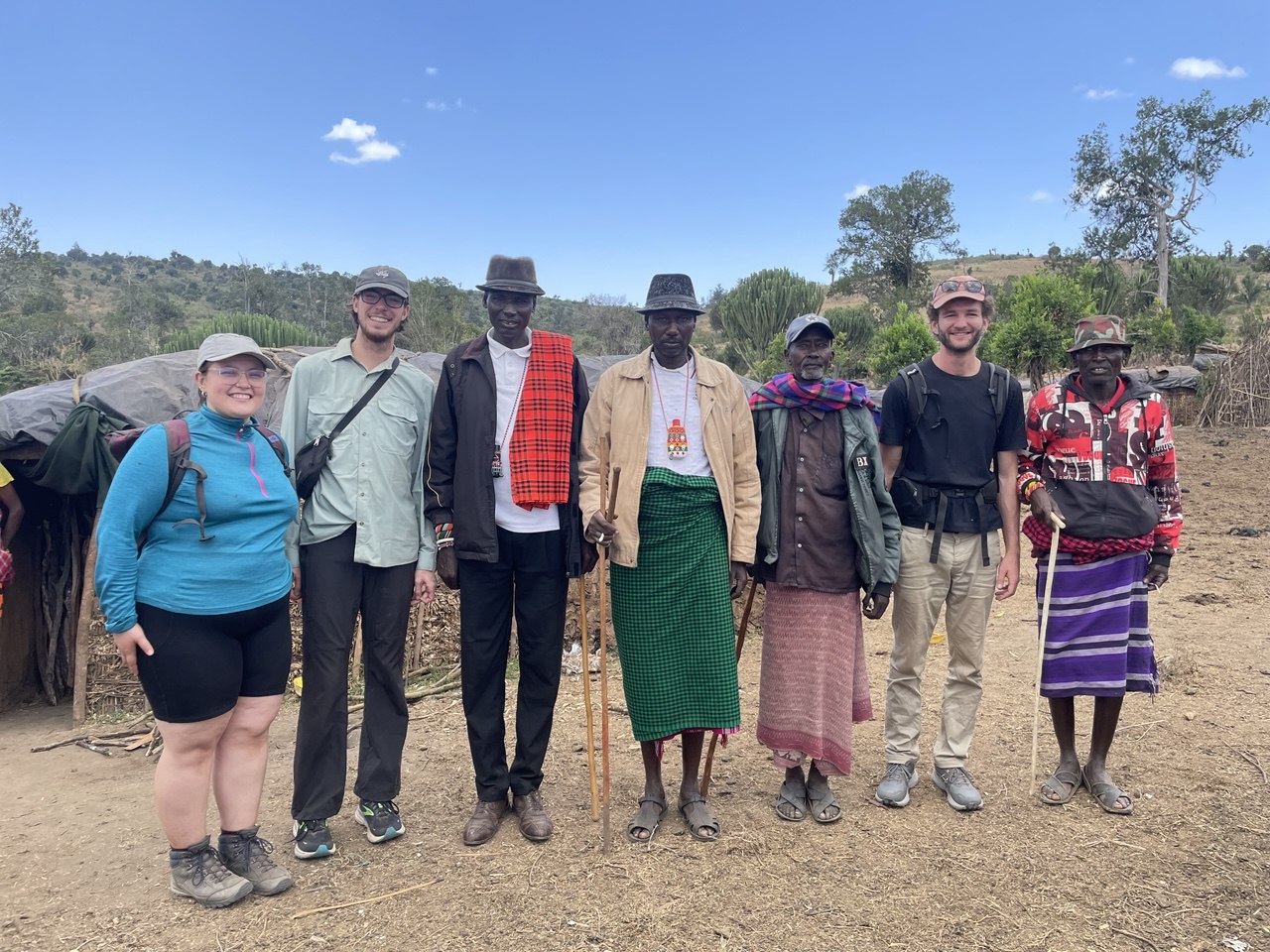
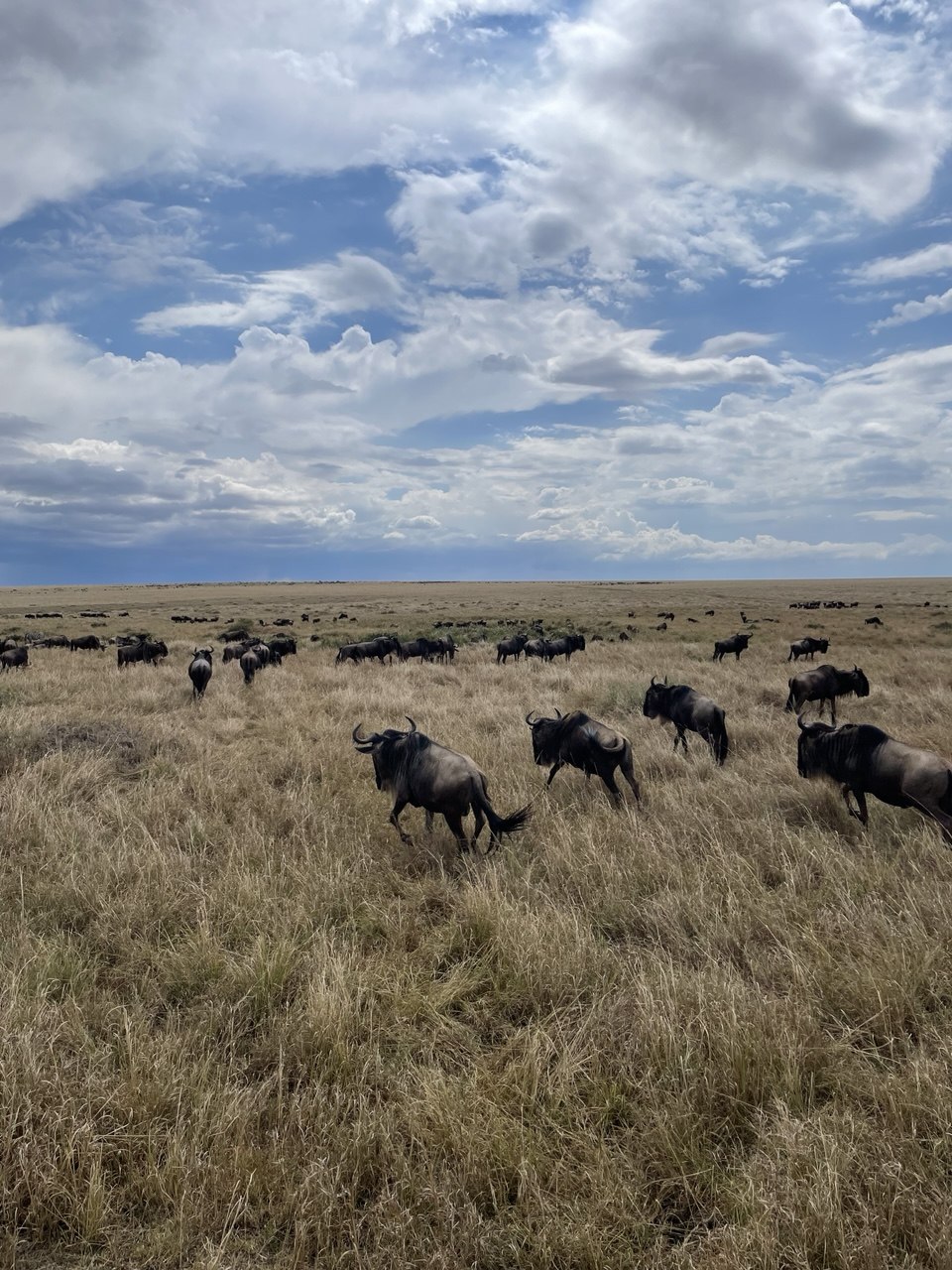
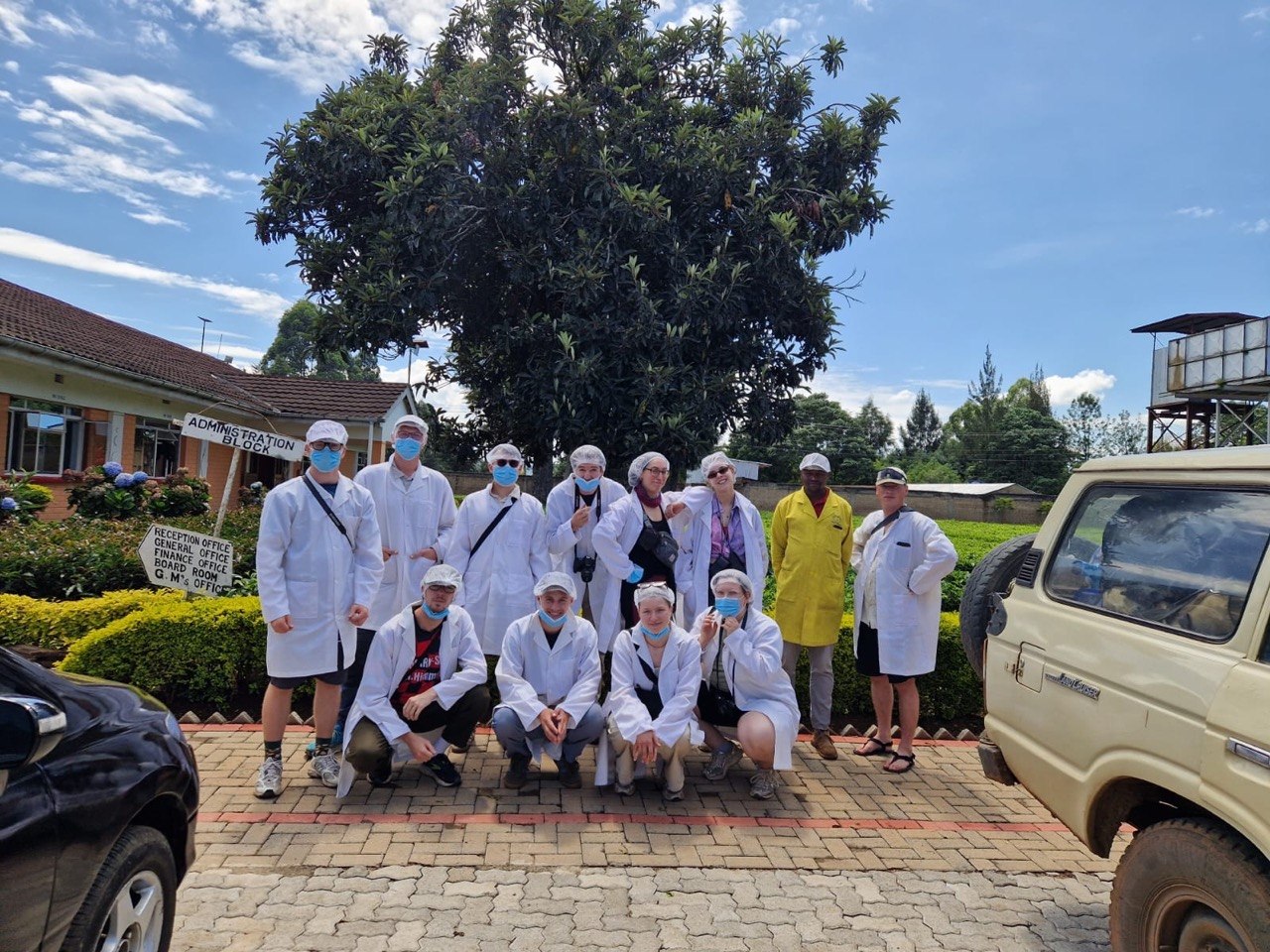
On 3 September, the tour of Kenya began, taking the group to Mount Kenya and the Samburu National Reserve via Maralal, Mount Elgon, Lake Victoria and the Kakamega Forest, ending in the Maasai Mara. During the trip, the students explored the diversity of flora and fauna in national protected areas and deepened their knowledge during a guided tour with a local guide in the Kakamega Rainforest. At the same time, these experiences highlighted the importance of tourism and its economic value for Kenya, placing it within the context of nature conservation and environmental protection. Furthermore, the group gained insights into the way of life of the indigenous Samburu people, as well as the current agricultural sector, which includes, amongst other things, shambas (smallholder farming systems), greenhouses and tea plantations. To broaden their understanding of these aspects, a visit was also made to the Kabianga Tea Factory.
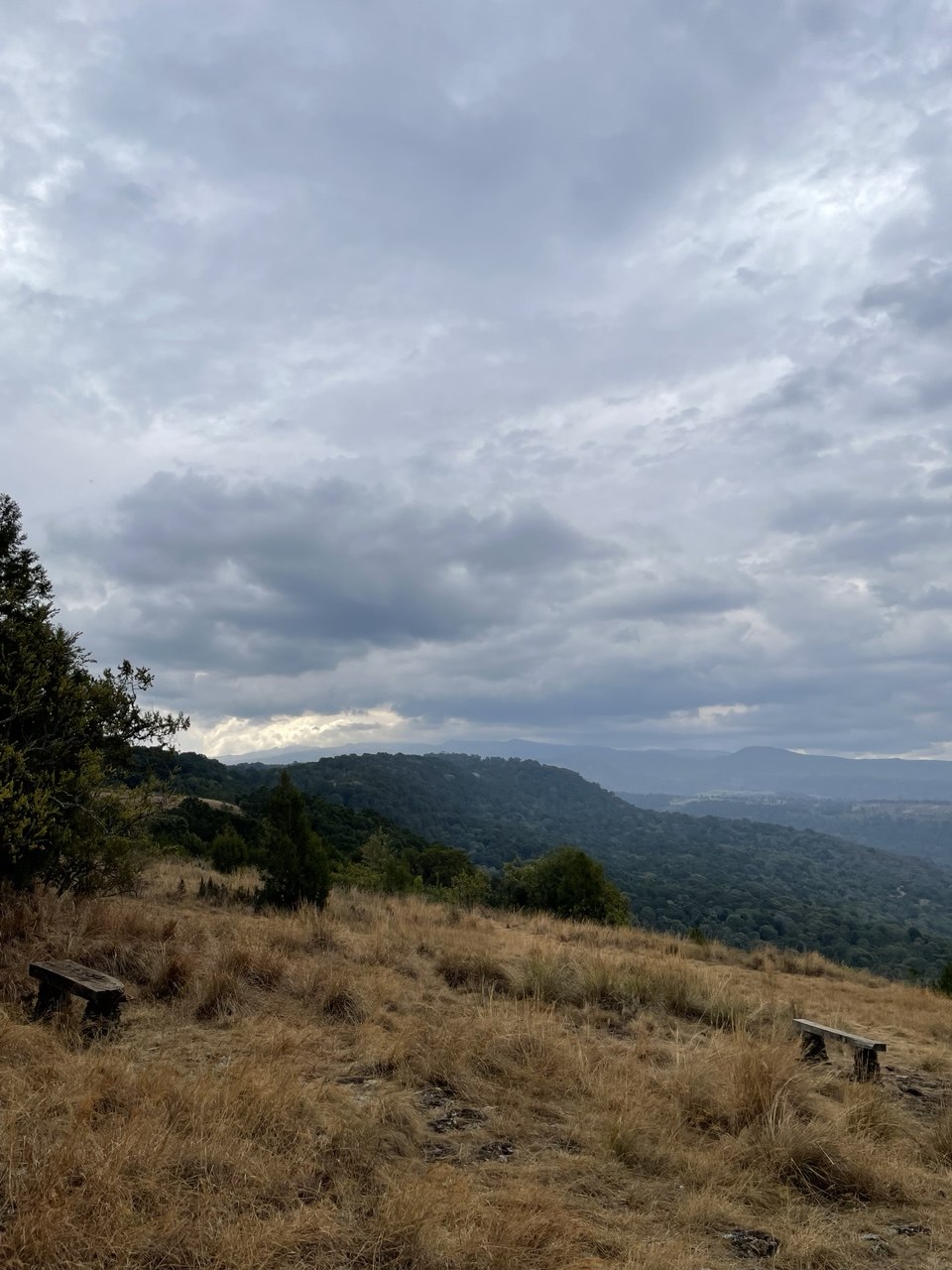
During the journey through the south-western part of Kenya, the group passed through a variety of landscapes and vegetation types – such as savannah, dry and moist mountain forests – as well as the Great Rift Valley, a geological feature where two continental plates are drifting apart.
Thanks to this wide range of experiences, our students were able to gain a very comprehensive insight into this East African country. The field trip enabled them to apply and recognise in practice the theoretical knowledge taught both in the accompanying seminar and during the field trip itself. As a result, they gained a better understanding of human–environment relationships, a central component of geo-ecological work.