
Synthesis methods: Various mills
- Material of the grinding sets Zirconium oxide (ZrO2), corundum (Al2O3) Special steel
- (X210Cr12)S, agate, tungsten carbide (WC) °agate (SiO2*nH2O) – 10 ml,
- *Stainless steel – 25 ml
- Feed grain size ≤ 6 – 8 mm ≤ 10 mm, (≤ 15 mm)S ≤ °4 – *6 mm
- Feed quantity 30 – 150 ml 10 – 150 ml, (≤ 250 ml)S max. °4 – *10 ml (Å~ 2)
- Final fineness 10 – 20 µm ≤ 40 µm ~ 10 µm
Various mills

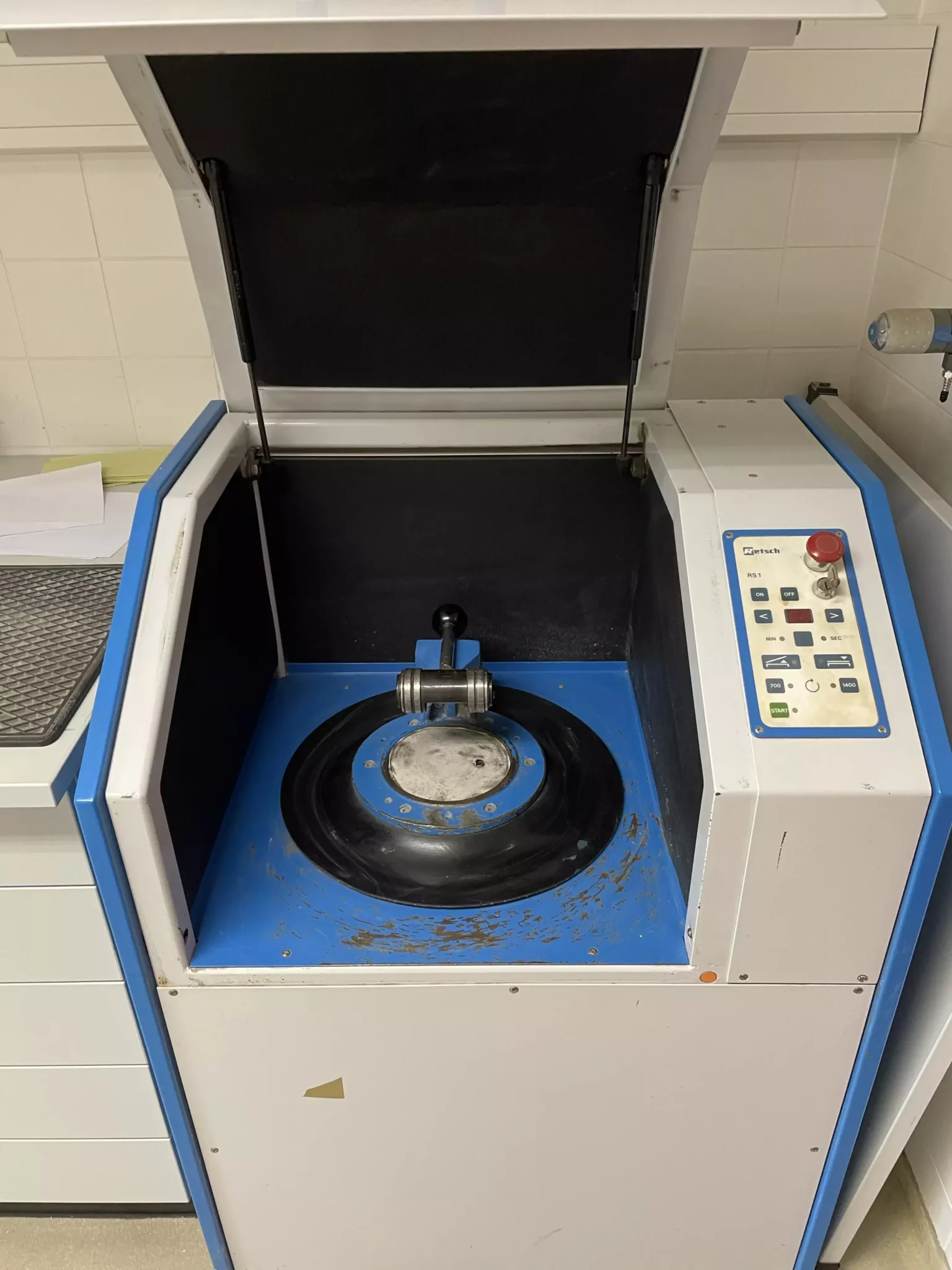
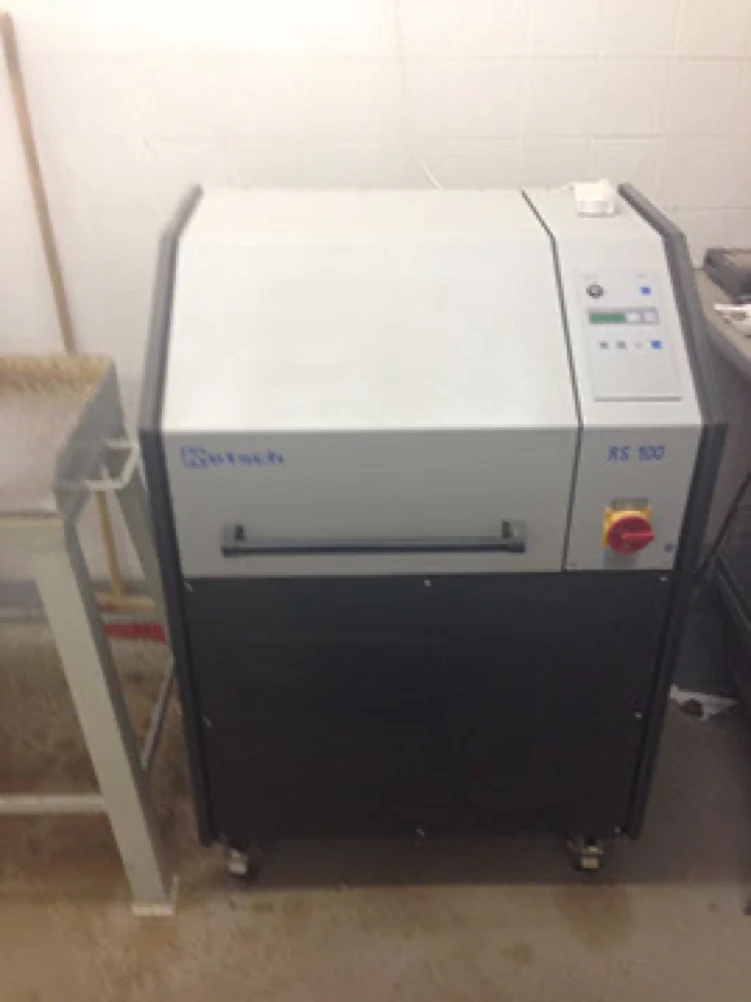
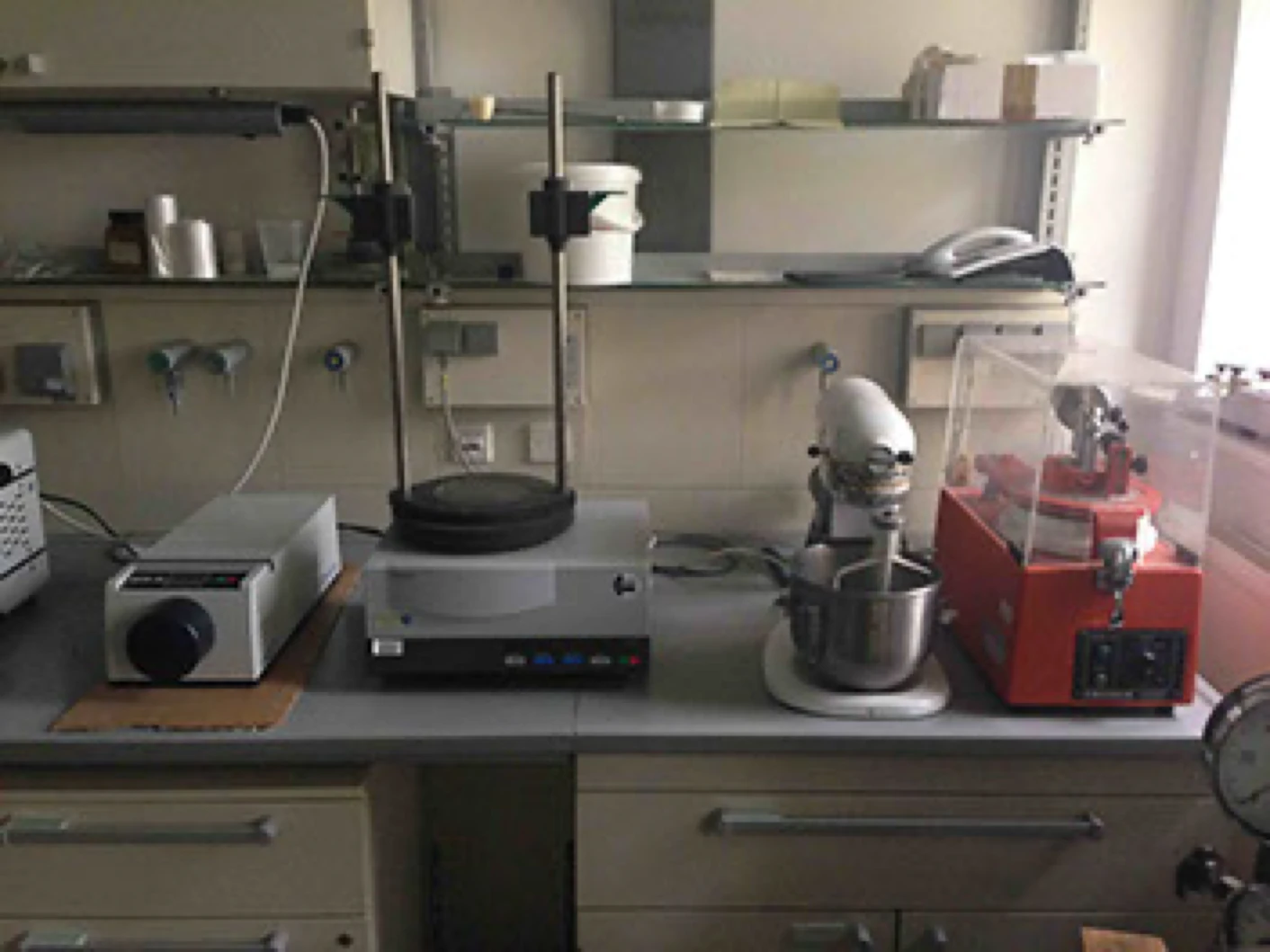
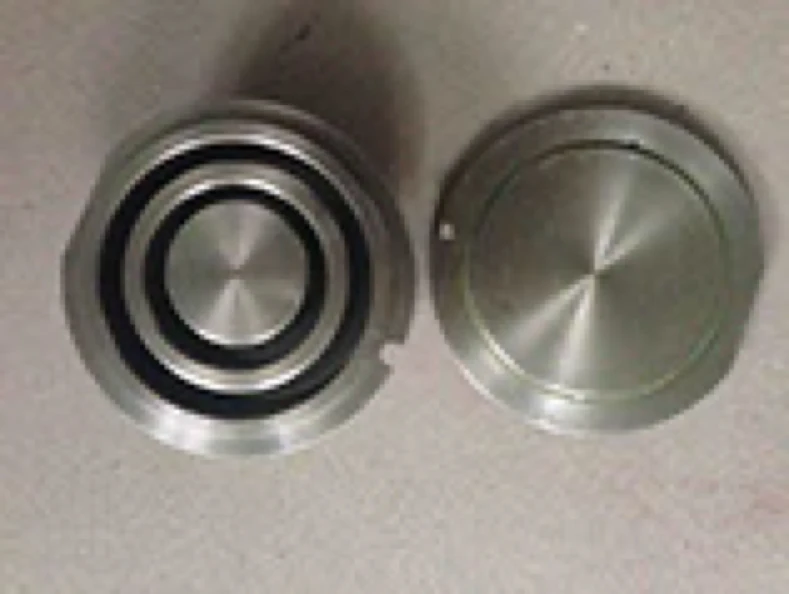
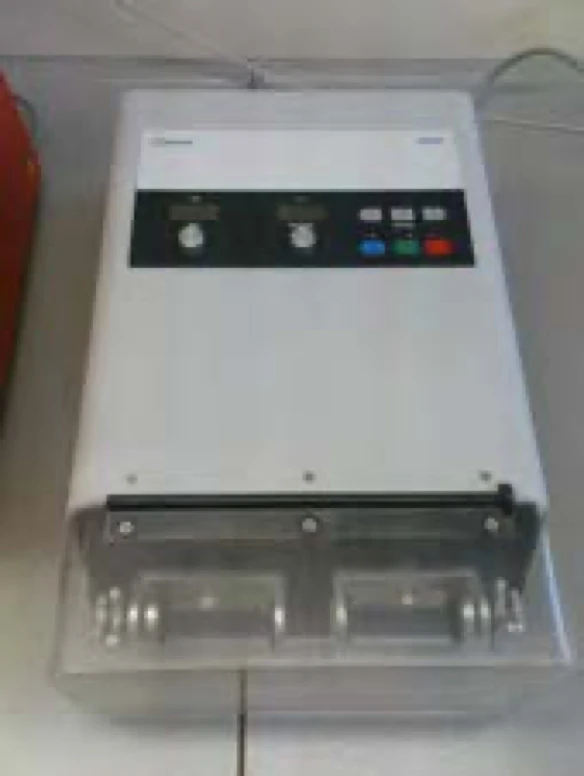
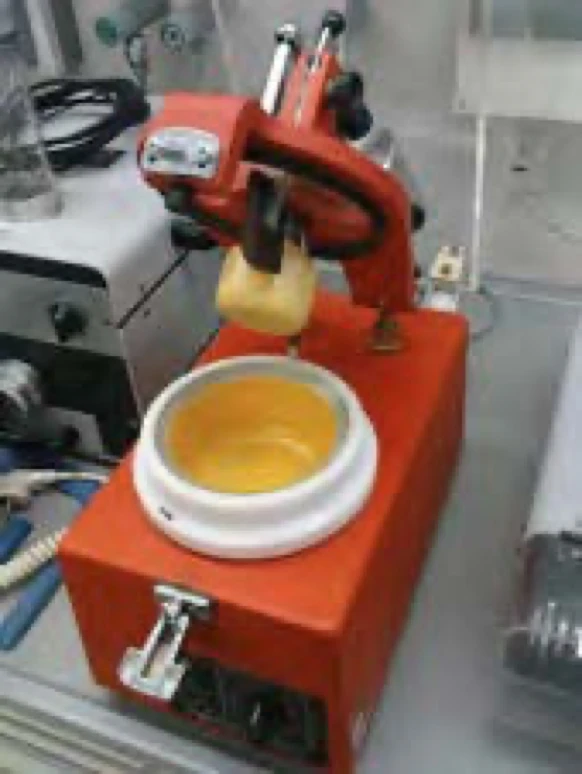
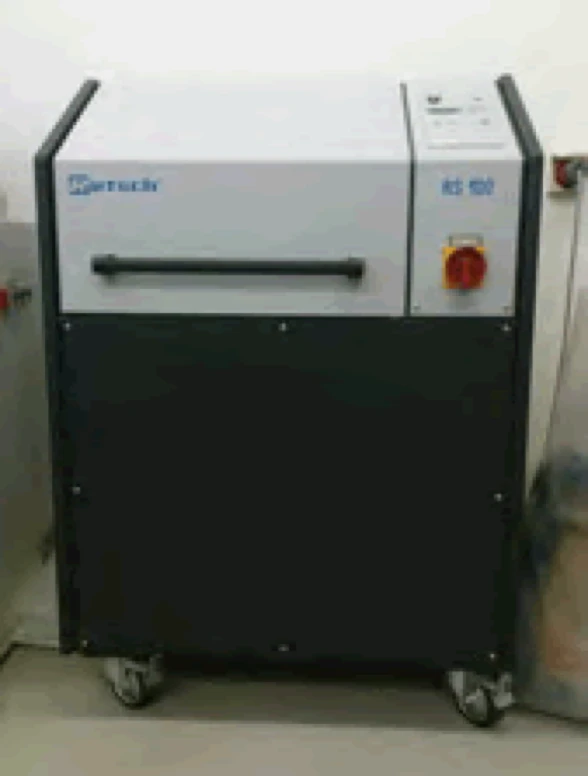
The Pulverisette and (Fritsch) mortar grinders, the RS1 and RS100 vibrating disc mills and the MM200 ball mill (Retsch) are available for grinding, mixing and homogenising fine powders. Hard, medium-hard, soft, brittle as well as partly fibrous and elastic material can be processed loss-free by friction, pressure, impact in dry and wet condition. Grinding duration, contact pressure and oscillation frequency (700, 1400 min-1), (3 - 25 Hz) are adjustable or can be digitally programmed in some cases and can therefore be adjusted to optimise the treatment of the material to be ground.